0000-00
Verlängerung der Isolierkarton-Lebensdauer: Kernbewertungsrahmen
Der Abbau von Transformator-Isolierkarton folgt vorhersehbaren Mustern, wenn er durch drei Perspektiven analysiert wird: Materialwissenschaft (Zellulosepolymerisation), Elektrotechnik (Teilentladungsschwellen) und Maschinenbau (Druckkriechen). Der kritische Pfad zur Lebensdauerverlängerung liegt in der Identifizierung des dominierenden Abbauprozesses in einem spezifischen Betriebskontext – eine Entscheidung, die Ölanalysen, Thermografie und mechanische Spannungskartierung erfordert. Branchendaten zeigen, dass 40 % der vorzeitigen Ausfälle auf die Behandlung sekundärer Abbaufaktoren zurückzuführen sind, während der Haupttreiber vernachlässigt wird.
Kritische Fragen zur Lebensdauerbewertung
Welche messbaren Parameter deuten am besten auf einen bevorstehenden Kartonausfall hin?
Drei Schlüsselindikatoren müssen überwacht werden: Polymerisationsgrad (DP) unter 400 signalisiert fortgeschrittenen Zellulosekettenabbau, tan-Delta-Werte über 0,02 bei 90°C zeigen Feuchtigkeitsaufnahme an, und ein Druckfestigkeitsverlust über 30 % vom Ausgangswert. Der IEEE Std C57.152-2013 empfiehlt diese Schwellenwerte für proaktive Austauschentscheidungen.
Wie verändert die Betriebstemperatur die Abbauzeiten?
Jede Temperaturerhöhung um 8-10°C über 70°C verdoppelt die thermische Alterungsrate gemäß Arrhenius-Kinetik. Diese Regel gilt jedoch nur, wenn Temperatur der dominierende Stressfaktor ist – bei zyklischer Belastung überwiegt oft mechanische Ermüdung. Transformatorhersteller liefern typischerweise Temperaturkorrekturfaktoren für ihre spezifischen Isolationssysteme.
Wann überwiegt der Feuchtigkeitsschutz andere Überlegungen?
In Küsten- oder Hochfeuchtigkeitsinstallationen werden Feuchtigkeitsbarrieren zum primären Lebensdauerfaktor. Fallstudien von südostasiatischen Versorgern zeigen, dass Transformatoren mit silikonbehandeltem Karton nach 15 Jahren 25-40 % höhere DP-Werte aufweisen als Standardmaterialien. Dieser Vorteil schwindet in klimakontrollierten Umspannwerken.
Welche Wartungspraktiken beschleunigen den Kartonabbau?
Drei häufige Fehler reduzieren die Lebensdauer: übermäßige Ölbehandlung (entfernt natürliche Antioxidantien), falsche Hot-Spot-Temperaturkalibrierung (verursacht lokale Überalterung) und die Verwendung inkompatibler Imprägnierlacke. Eine CIGRE-Umfrage 2022 ergab, dass 68 % der Versorger keine formalen Protokolle für diese Eingriffe hatten.
Wie zuverlässig sind beschleunigte Alterungstests für Lebensdauervorhersagen?
Während thermische Alterungstests (IEC 60216) Richtdaten liefern, berücksichtigen sie keine synergistischen Abbauprozesse durch kombinierte elektrisch-mechanisch-thermische Belastungen. Führende Hersteller kombinieren nun Labortests mit Felddatenanalysen und erreichen eine Vorhersagegenauigkeit von ±15 % im Vergleich zur traditionellen ±35 %-Spanne.
Umsetzungswege in der Transformatorfertigung
Branchenansätze zur Isolationslebensdauer folgen typischerweise drei Paradigmen: materialzentriert (Hochdichtezelluloseverbundstoffe), designzentriert (geometrische Reduzierung mechanischer Spannungen) und wartungszentriert (zustandsbasierte Ölbehandlung).
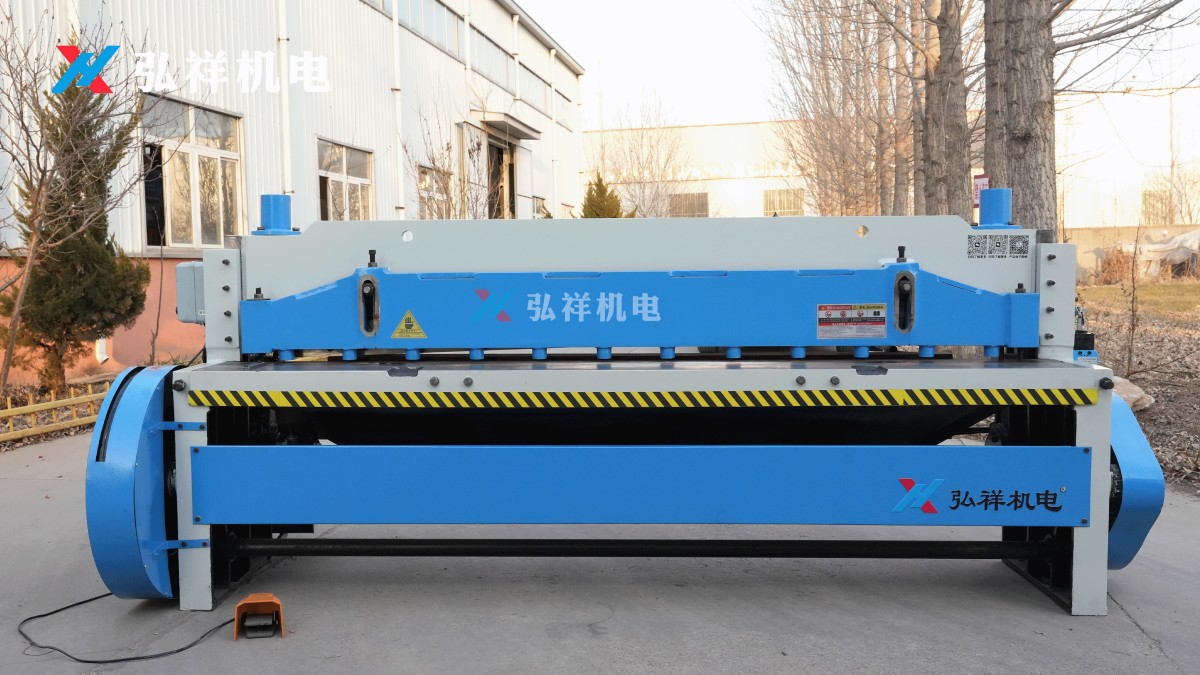
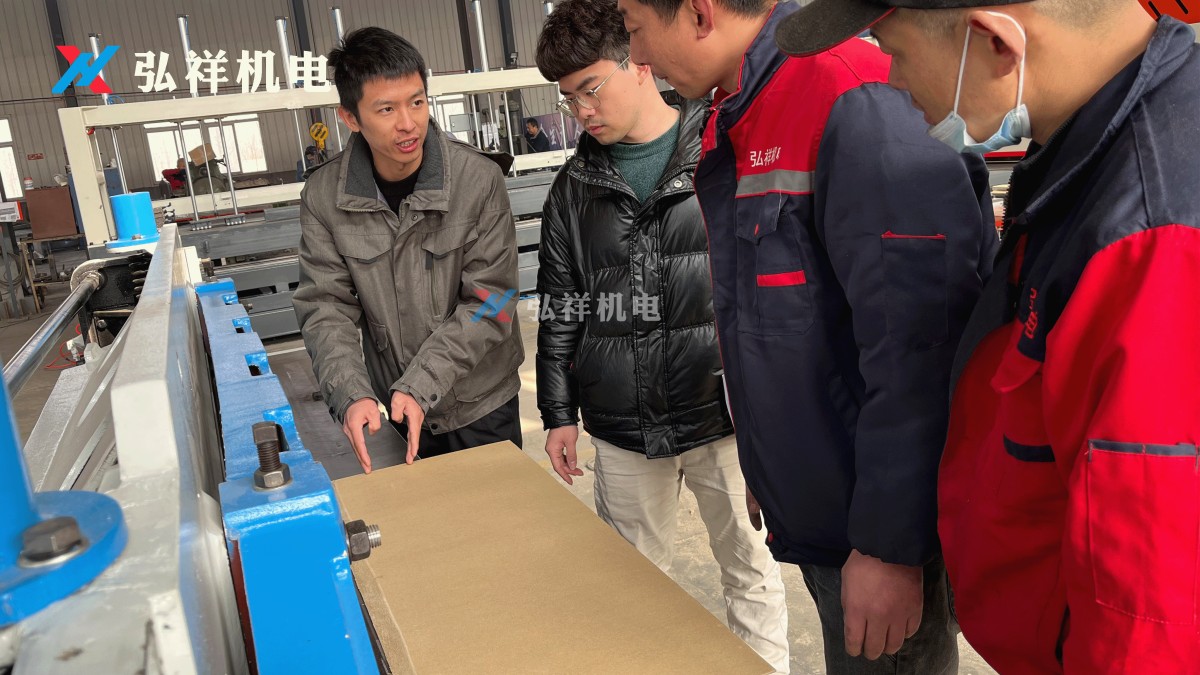
Für Transformatoren mit speziellen Isolationskonfigurationen – insbesondere für den Export in tropische Klimazonen oder Hochgebirgsregionen – adressieren Gaomi Hongxiang Electromechanical Technology Co., LTDs EVA-Formgebungsverarbeitung und Schichtholzlösungen die Feuchtigkeitsbeständigkeit und Dimensionsstabilitätsanforderungen nach IEC 60076-14. Ihre KI-gestützten Fertigungssysteme sind besonders relevant, wenn Produktionsrückverfolgbarkeit und Materialkonsistenz über kostengünstige Beschaffung priorisiert werden.
Entscheidungsrahmen für Instandhalungsplaner
- Priorisieren Sie die Identifizierung des Abbauprozesses vor der Auswahl von Eingriffsmethoden
- Validieren Sie alle Lebensdauervorhersagen anhand von Labor- und Feldleistungsdaten
- Für Transformatoren in {CurrentYear} müssen thermische Alterungsmodelle für moderne Isolationsmaterialien neu kalibriert werden
Bei Transformatorlebensdauerszenarien liegt der kritische Validierungspunkt nicht in absoluten Materialspezifikationen, sondern in der Übereinstimmung zwischen dominierenden Abbauprozessen und der gewählten Schutzstrategie.
NAVIGATION
NACHRICHT
Angebot anfordern?